WELCOME to WENDY’s CLASSES!
Homeschool classes with students who want to learn
AND have fun!
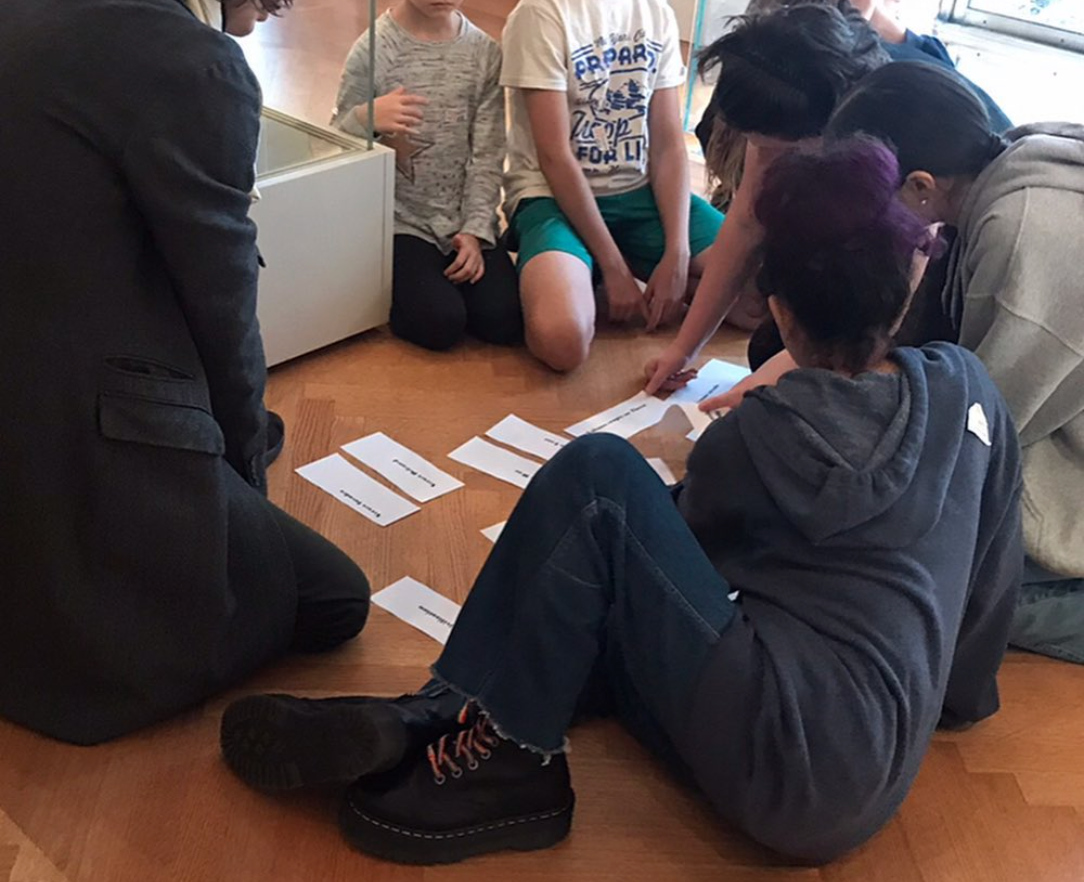
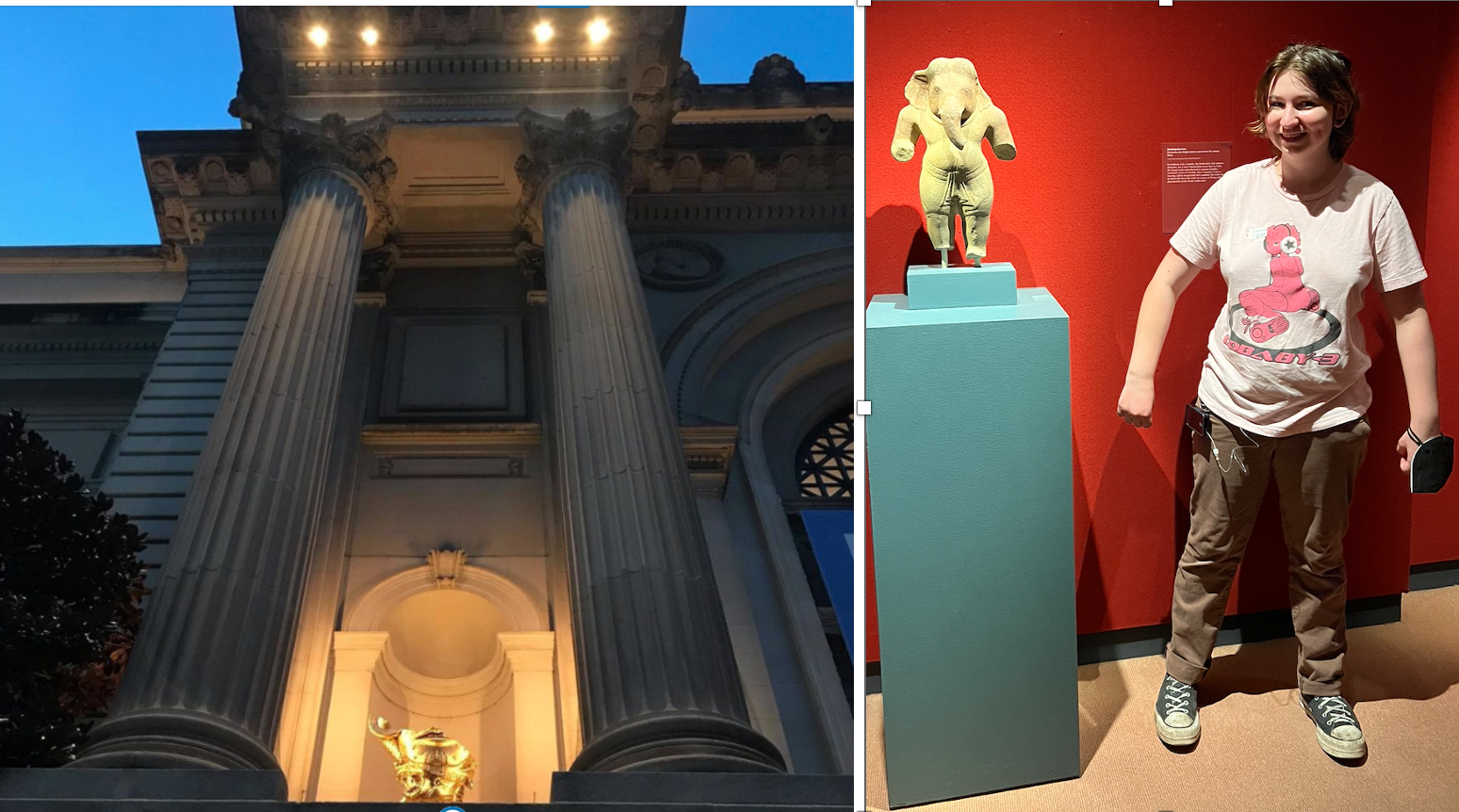
Museum Based Classes in History and the Humanities…but also classroom based, online, and one-on-one!

Our Mission: to provide unique learning opportunities for non-traditionally educated youth through classes, museums, cultural sites, the arts, and travel

Reach out! Email: wendyraver@hotmail.com
IG: @wendyshomeschoolers
Facebook@wendyshomeschoolers Threads: @wendyshomeschoolers
Follow me on Substack! https://substack.com/@wendyraver
THE CLASSES (2026-7)
TUESDAYS
(FULL) Ancient Greek Theater
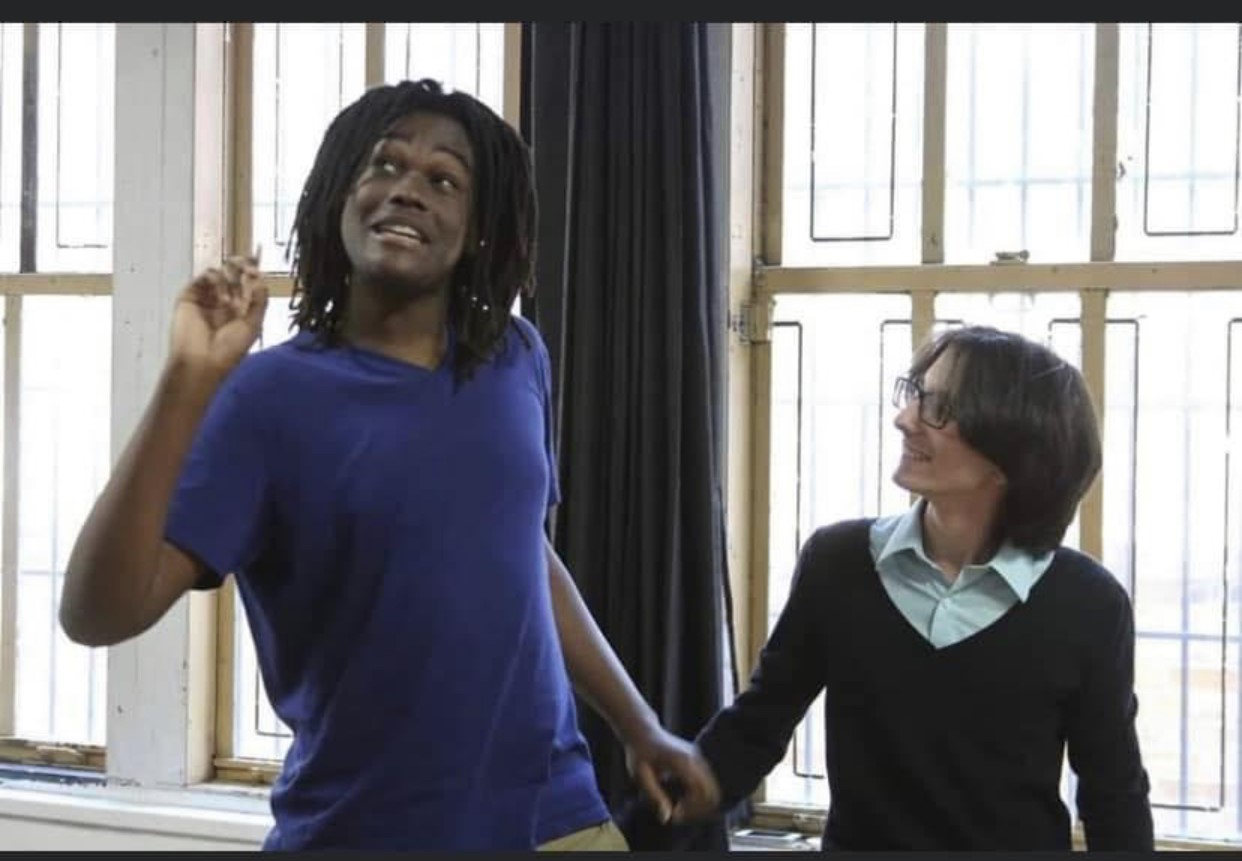
Tragedy, comedy, history, religion, and what it means to be human: this is what the Greeks put out on stage. We will read major works by Aeschylus, Sophocles, Aristophanes, and Euripides together, and perhaps act out some scenes! The Winter Session will continue the plays and introduce Seneca and other playwrights. We will also look at modern adaptations of Greek theater as well.
(FULL) Criminology
Why are some people just bad…or are they? The study of criminology examines the criminal through social and behavioral sciences. We study the basics of criminology, but then walk through history to find some of the most notorious criminals, and question the root cause of their actions (Biological? Psychological? Sociological? Economic? Political? Or misrepresentation?). Our Fall semester begins with the definitions of terms we will be using, a grounding in different types of personality disorders, an overview of the field of criminology, and an examination of some of the oldest examples of deviant behaviors reflected in myth and history.
(FULL) Adaptive Genetics and Diseases
What is the relationship between genetics and evolution? How do diseases also affect humans? We question these matters by looking at evolutionary advantage in genetics (human, animal, plant, and microbe, including viruses), natural selection, genetic shifts, and adaptive mutations. We also look at the role disease plays in genetics. Some of our class sessions will be devoted to labs. We will also look at history to find evidence of genetics, disease and material culture.
CONTROVERSIES!
Controversies is back! Teen run, teen led, teen organized discussion and hangout!
Wednesdays:
(FULL) AP style United States History (APUSH)
APUSH style US History is a college prep, honors level course that satisfies the requirements for the AP US History exam, but also offers opportunities for research papers on student-directed topics. We work on primary source documents, historiography, art and artifacts, and also engage in history-based games for stronger recall. Topics for fall include American prehistory to the beginnings of the Industrial Revolution, and will continue to the Winter session.
(FULL) Schools of Philosophy
Contemplate the meaning of life with us! We ask some of the ineffable questions regarding human existence, and attempt to address them through the schools of philosophy. Students help shape the scope and design of the class. We begin with questions regarding ethics, morality, what it means to exist, the nature of the world, search for meaning, and more! Based on interest, class will continue to a Winter term.
Thursdays:
(FULL) AP Style European History
AP style European History is a college prep, honors level course that satisfies the requirements for the AP Europe exam, but also offers opportunities for research papers on student-directed topics. We work on primary source documents, historiography, art and artifacts, and also engage in history-based games for stronger recall. Since the class meets in museums, we incorporate museum collections into most classes. Topics for fall include the history of Europe from 1300s to roughly the French Revolution, and visiting the Met, the New-York Historical, the Frick and more. Class continues with the post-Revolutionary world in Winter.
(FULL) Younger Ancient Greek Civilization
The Metropolitan Museum of Art-based four-year cycle history classes were the first classes I
offered to homeschoolers in 2010. The cycle moves to the Classical World now, and fall brings the
Greeks, winter Romans, and a spring mini session on transitions to the Classical and Medieval worlds. The Fall Semester Ancient Greek Civilizations class will utilize collections from around the world to understand key issues: government, warfare, religion, archaeology, interconnections, and the arts. We read from Homer, Herodotus, Thucydides, at least one tragedy or comedy, and other written works, too. Major themes: Minoan, Mycenean, Homer’s conception of the past, the axial age, Herodotus and history, politics, rise of the city state, Persian Wars, Peloponnesian Wars, and more.
Fridays:
(FULL) Middle School-early High School Ancient Greek CivilizationsLocation: Metropolitan Museum of Art
The Metropolitan Museum of Art-based four-year cycle history classes were the first classes Ioffered to homeschoolers in 2010. The cycle moves to the Classical World now, and fall brings the Greeks, winter Romans, and a spring mini session. The Fall Semester Ancient Greek Civilizations class will utilize collections from around the world to understand key issues: government, warfare, religion, archaeology, interconnections, and the arts. We read from Homer, Herodotus, Thucydides, at least one tragedy or comedy, and other written works, too. Major themes: Minoan, Mycenean, Homer’s conception of the past, the axial age, Herodotus and history, politics, rise of the city state, Persian Wars, Peloponnesian Wars, and more.
(FULL) World Religions (Secular)
What is religion? Is it beliefs and practices of cultures, or is it personal faith? Do all religions hold a belief in a god or God? What are the earliest religions on record, and what makes a religion a religion? This class combines museum objects, primary source texts, theory and a secular look at world religions.
(FULL) Rick Riordan Mythologies
Using the Met as our guide, we will follow Rick Riordan’s various worlds, and consider the mythology behind his perspective. What did he get “right”? What is “wrong”? How do we know, based on our sources for classical mythology? This class is open to all who love mythology, Percy Jackson, and museums, with no prior knowledge required. Based on interest, class will continue to a Winter term.
(FULL) High School Ancient Greek Civilizations
The Metropolitan Museum of Art-based four-year cycle history classes were the first classes I
offered to homeschoolers in 2010. The cycle moves to the Classical World now, and fall brings the
Greeks, winter Romans, and a spring mini session on transitions to the Classical and Medieval worlds. The Fall Semester Ancient Greek Civilizations class will utilize collections from around the world to understand key issues: government, warfare, religion, archaeology, interconnections, and the arts. We read from Homer, Herodotus, Thucydides, at least one tragedy or comedy, and other written works, too. Major themes: Minoan, Mycenean, Homer’s conception of the past, the axial age, Herodotus and history, politics, rise of the city state, Persian Wars, Peloponnesian Wars, and more.